When you’re packing a luxury hamper with truffle oil, artisanal cheeses, and a bottle of aged Bordeaux, you might think the only challenge is choosing the right items. In reality, the journey from your kitchen to your customer’s doorstep is paved with customs paperwork, food safety standards, and a maze of regulations that can trip even the most seasoned entrepreneur. This guide will walk you through the essential steps to how to ensure compliance with import regulations for gourmet hampers, so you can focus on delighting your clients rather than chasing paperwork.
Understanding the Landscape of Import Regulations
Before you even think about sourcing ingredients, you need to know which rules govern your products. Import regulations vary by country, product type, and even by the specific region of origin. A single mislabeled label can land your hamper in a customs hold or, worse, in a quarantine facility.
Key Regulatory Bodies
- U.S. Food and Drug Administration (FDA) – Oversees food safety, labeling, and health claims for U.S. imports. U.S. Department of Agriculture (USDA) – Handles agricultural products, including meat, dairy, and produce. U.S. Customs and Border Protection (CBP) – Manages entry clearance and tariff classifications. International Trade Administration (ITA) – Provides guidance on trade agreements and tariff rates.
Common Compliance Pitfalls
- Incorrect HS Codes – The Harmonized System code determines duty rates and required documentation. Missing Certificates of Analysis – Many countries require proof that food products meet safety standards. Improper Labeling – Ingredients, allergens, and country of origin must be clearly listed. Inadequate Packaging – Materials must meet both safety and environmental regulations.
Step-by-Step Guide to Compliance
1. Identify the Destination Country’s Requirements
Every country has its own set of rules. Start by visiting the destination’s official customs or food safety website. Look for sections on “Importing Food” or “Regulations for Food Products.” If you’re shipping to multiple countries, create a spreadsheet to track each country’s key requirements.
Quick Checklist
- Tariff classification (HS code) Required certificates (e.g., FDA approval, USDA inspection) Labeling mandates (allergen information, nutritional facts) Packaging restrictions (recyclable materials, tamper-evident seals)
2. Secure Proper Documentation
The backbone of any compliant shipment is documentation. Think of it as the passport for your hamper.
Essential Documents
- Commercial Invoice – Details the transaction value, description, and HS code. Packing List – Specifies contents, weight, and dimensions. Certificate of Origin – Confirms the product’s country of manufacture. Health Certificates – For perishable items, include lab test results or USDA inspection certificates. Import License – Some items, like certain cheeses or spices, require a license.
3. Labeling: The First Line of Defense
A well‑labelled hamper is a safety net. Mislabeling can lead to delays or even seizure. Use clear, concise language and avoid ambiguous terms.
- Ingredients – List in descending order by weight. Allergens – Highlight common allergens (nuts, dairy, gluten) in bold or a distinct font. Country of Origin – Must be visible on the main label. Best Before/Use By – Provide a clear date or use a standardized symbol.
> “The first thing a consumer looks at is the label—make it trustworthy.” – Food Safety Expert Jane Doe
4. Packaging: More Than Just Aesthetic
Packaging must protect the product, maintain temperature, and comply with environmental standards. Use food‑grade, recyclable materials whenever possible. For chilled items, consider insulated containers with ice packs that meet the destination’s safety guidelines.
Packing Tips
- Use double‑layered boxes for extra protection. Include a temperature log if shipping perishable items. Seal each compartment with tamper‑evident tape.
5. Engage a Customs Broker
If the process feels like deciphering an ancient scroll, hire a customs broker. They can handle paperwork, calculate duties, and ensure your shipment clears customs smoothly. Think of them as the GPS for your hamper’s journey.
6. Conduct Regular Audits
Even after you’ve mastered the basics, stay vigilant. Regulations change, and a small oversight can cost you time and money. Schedule quarterly audits of your documentation, labeling, and packaging processes.
Anecdote: The Case of the Missing Allergen
Last year, a boutique hamper company shipped a selection of artisanal crackers to Canada. They thought they had covered all bases, but a small misprint on the allergen list—“contains nuts” instead of “contains nuts”—triggered a customs hold. The company spent a week in quarantine, and the hamper was returned to the sender. A costly lesson that underscores the importance of meticulous labeling.
Rhetorical Questions to Ponder
- What would happen if your hamper arrives with the wrong HS code? Could a single missing certificate derail your entire shipment? Are you confident that every label meets the destination’s strict standards?
These questions aren’t just rhetorical—they’re reminders that the devil is in the details.

Metaphor: The Gourmet Hamper as a Symphony
Think of your hamper Anniversary gifts as a symphony: each ingredient is an instrument, and the regulations are the conductor’s baton. If https://troykmij231.theglensecret.com/what-are-the-most-common-complaints-about-luxury-food-hampers any note is off, the whole performance falters. By ensuring every section—documentation, labeling, packaging—plays in harmony, you deliver a flawless concerto to your customer.
Final Thoughts: Making Your Selection Count
Ensuring compliance with import regulations for gourmet hampers is no small feat, but it’s essential for building trust and delivering quality. By following the steps outlined above, you’ll not only avoid costly delays but also reinforce your brand’s reputation for professionalism and attention to detail.
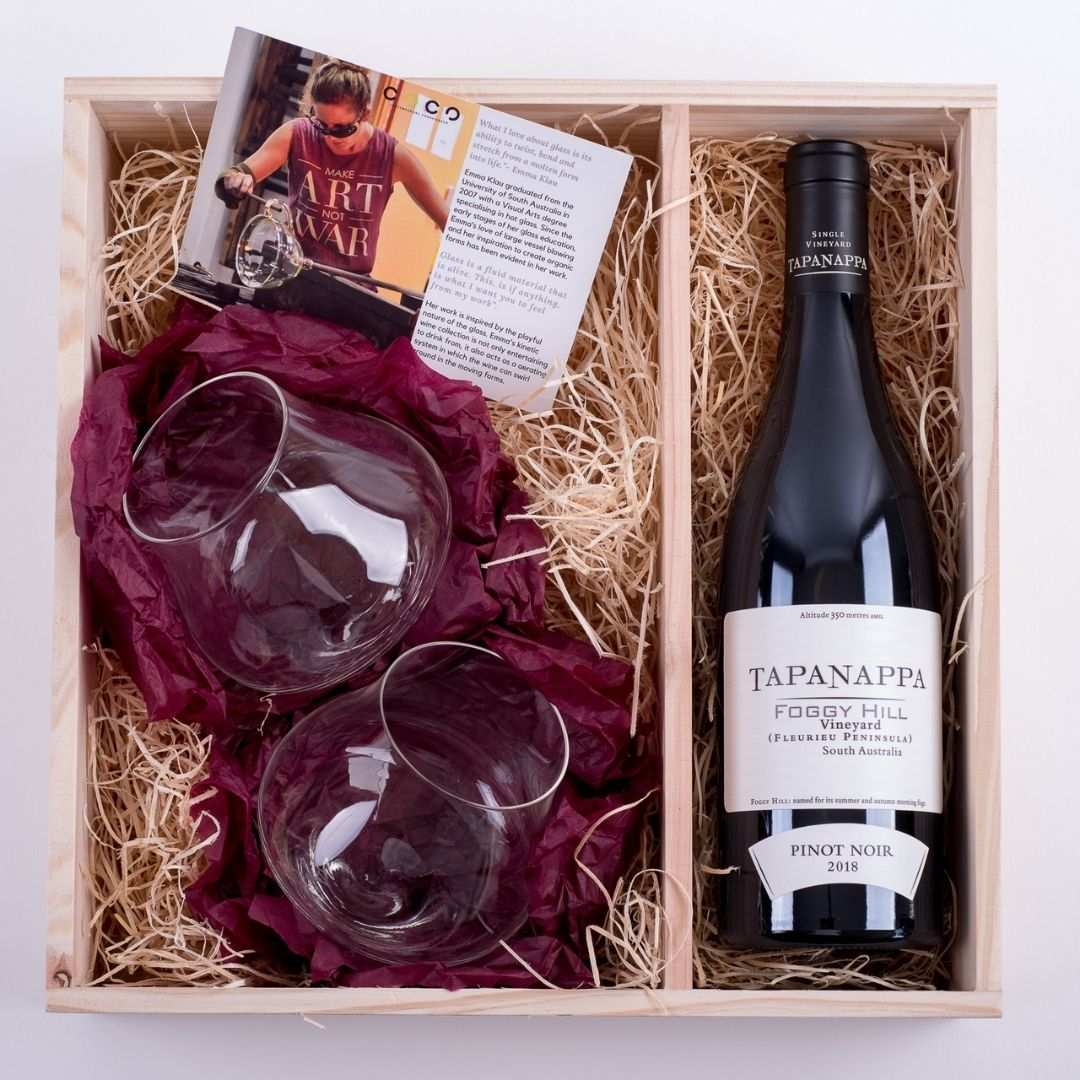
Take the next step: review your current shipping process, identify any gaps, and implement the checklist. Your customers—and your bottom line—will thank you.